
Historic Milestone: Class of 2025 Achieves Record 88% National Pass Rate – South Africa's Education System Hits New Heights
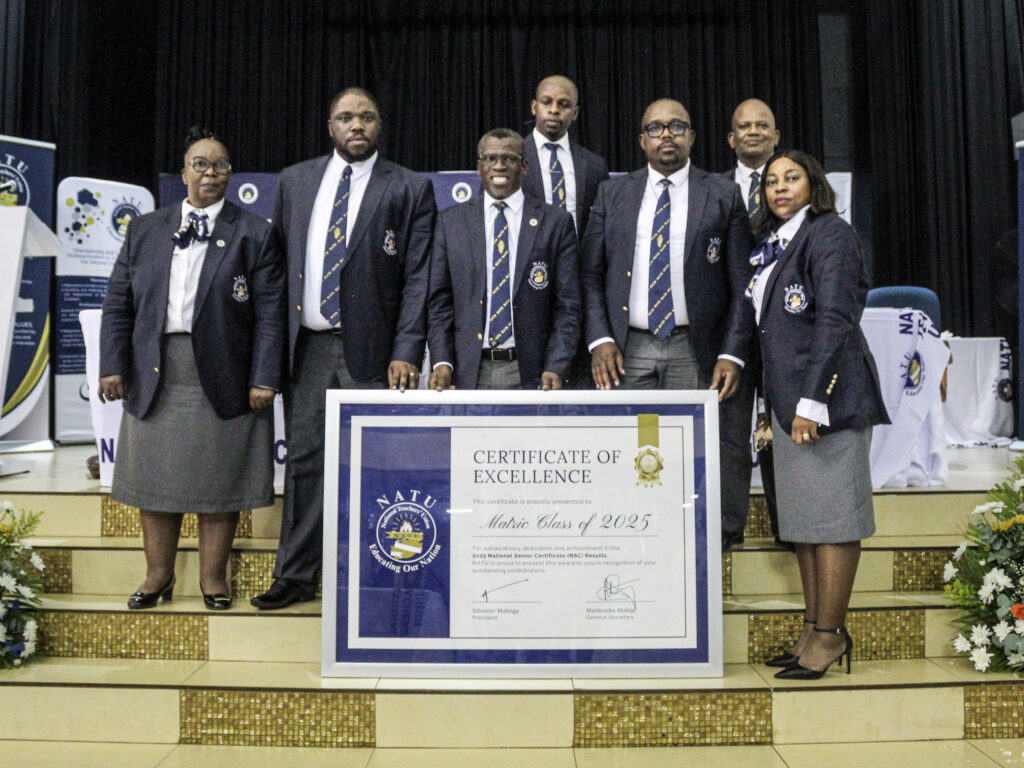
The 2025 National Senior Certificate results, announced by Basic Education Minister Siviwe Gwarube on January 12, 2026, represent a historic landmark for South African education. Despite the challenges of managing the largest cohort in the history of the exams, the Class of 2025 achieved record-breaking outcomes that demonstrate a system moving toward stability and improved quality.
The national pass rate for the Class of 2025 reached a record high of 88.0%, a notable improvement from the 87.3% achieved in 2024. This increase of 0.7 percentage points is particularly significant given the scale of the 2025 cohort, where over 900,000 full-time and part-time candidates sat for the examinations—the largest number since the inception of the NSC. Of these, over 656,000 learners successfully passed, reinforcing a steady upward trajectory in the public education system.
Beyond the overall pass rate, the 2025 results show substantial growth in the quality of passes:
- Bachelor’s Degree Passes: A critical indicator of university readiness, the number of Bachelor’s passes increased to 345,857. This is an improvement of more than 8,000 compared to the previous year. This means that 46.4% of the cohort qualified for university entrance, reflecting a stronger academic foundation across the country.
- Performance of No-Fee Schools: One of the most encouraging trends in 2025 is the performance of learners from Quintile 1, 2, and 3 (no-fee) schools. These institutions contributed more than 66% of the total Bachelor’s passes nationally, narrowing the gap between privileged and historically disadvantaged communities.
- Systemic Equality: For the first time in South African history, all 75 school districts across the country achieved a pass rate of 80% or above. This marks a significant improvement from 2024, where performance was more unevenly spread, suggesting that interventions at the district level are successfully lifting the floor of national performance.
The provincial landscape saw a reshuffle in rankings with notable improvements in several regions: KwaZulu-Natal (KZN) emerged as the top-performing province in 2025, achieving a pass rate of 90.6%. This is a solid improvement over its 2024 performance, solidifying its position as a new leader in academic excellence.
The rankings were as follows:
- 1st: KwaZulu-Natal – 90.6%
- 2nd: Free State – 89.33%
- 3rd: Gauteng – 89.06%
- 4th: North West – 88.49%
- 5th: Western Cape – 88.2%
- 6th: Northern Cape – 87.79%
- 7th: Mpumalanga – 86.55%
- 8th: Limpopo – 86.15%
- 9th: Eastern Cape – 84.17%
Importantly, no province achieved below 80%, and all showed progress or stability, highlighting widespread gains.
Subject-specific results presented a mixed but resilient picture. Physical Sciences saw a marginal improvement, rising from 76% in 2024 to 77% in 2025. However, the Department noted that Mathematics and Accounting experienced declines. The Mathematics pass rate fell from 69% to 64%, and Accounting dropped from 81% to 78%. These declines have been attributed to the increased complexity of the papers and the lingering “learning losses” from the foundation phase years during the pandemic.
The 2025 NSC results are a testament to a maturing education system. The combination of the highest-ever national pass rate, a record number of Bachelor’s passes, and the unprecedented achievement of every district surpassing the 80% mark indicates that the Department’s curriculum recovery and learner support programs are yielding results. While challenges remain in critical gateway subjects like Mathematics, the 2025 results provide a robust platform for the future of South Africa.
The Class of 2025 has made the country proud, and ongoing efforts must focus on addressing subject-specific weaknesses to ensure even greater equity and excellence in years to come.